Could Americans Receive $2,000 Payments? Here’s What We Know So Far
Artificial intelligence has offered a possible timeline for when Americans might see the $2,000 payments previously promised by former President Donald Trump—but the outlook suggests people shouldn’t expect the money anytime soon.
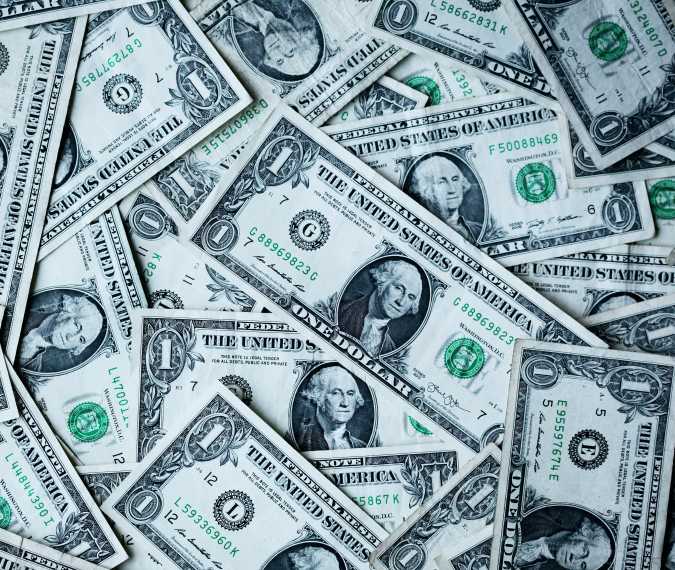
The proposal, first mentioned last November, suggested that most Americans (excluding higher earners) could receive payments of at least $2,000. Since then, many have been asking the same question: when—if ever—would these payments actually arrive?
Possible Timeline, But No Certainty
Based on an AI analysis of Trump’s public statements, the earliest potential timeframe for any payments would fall between June and August 2026. However, it’s important to note that this is only a projection—there is no confirmed schedule, and no payments have been officially approved.
In reality, there are currently no checks planned, and no formal process in place to distribute such funds.
The Idea Behind the Payments
Trump has argued that the payments could be funded through tariffs, claiming that increased import taxes would generate significant revenue for the United States.
In posts shared on Truth Social, he emphasized that tariffs could strengthen the economy, boost domestic manufacturing, and even help reduce national debt. He also suggested that businesses are increasingly investing in the U.S. due to these policies.
According to his argument, this inflow of money could eventually be returned to citizens through direct payments.
Major Obstacles Still in the Way
Despite the attention the proposal has received, several key challenges remain unresolved.
First, there is no legislation in place to authorize these payments. Any such plan would require approval from Congress, which has not yet happened. Additionally, there are no finalized rules outlining who would qualify, aside from the general idea that higher-income individuals would be excluded.
Cost is another significant concern. Estimates suggest the total expense could range between $300 billion and over $500 billion. For example, if eligibility were capped at individuals earning under $100,000, roughly 150 million adults could qualify—bringing the total cost close to $300 billion.
Economists have also pointed out that current tariff revenues may not be sufficient to cover such a large payout. While the U.S. government collected substantial income from customs duties in 2025, it still fell short of what would be needed to fund the proposed payments.
How People Might Use the Money
Even though the payments are uncertain, financial experts suggest it could be wise to think ahead.
One option would be to deposit the funds into a high-yield savings or money market account. With interest rates around 4%, a $2,000 deposit could generate approximately $80 over the course of a year—potentially more with additional contributions.
Another practical approach would be using the money to reduce high-interest debt, such as credit card balances. Applying a lump sum like this could shorten repayment timelines and significantly reduce interest costs.
The Bottom Line
While the idea of a $2,000 payment is appealing, there is currently no official plan, no approved funding, and no confirmed timeline. For now, Americans should view the proposal as uncertain and avoid relying on it in their financial planning.